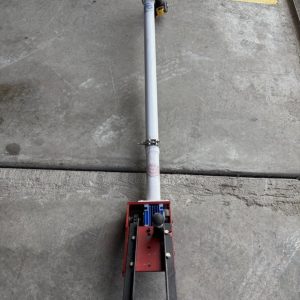
The Aircraft Electric Tow Bar – Mini Max Style is designed to make routine aircraft movement easier for private hangars, maintenance shops, general aviation operators, and aircraft owners. For aircraft owners who frequently enter or leave a tight hangar, an Aircraft Electric Tow Bar can make routine ground movement more manageable.
The Electric Tow Bar for Aircraft is available as a well-maintained used unit for operators who want dependable ground-handling equipment without the expense of a large powered tug. A Used Electric Aircraft Tow Bar should be inspected carefully so the buyer can confirm smooth operation, secure connections, reliable powered assistance, and compatibility with the intended aircraft.
The Mini Max Aircraft Tow Bar style is well suited to operators who need powered ground movement but have limited hangar space or transportation capacity. The included Aircraft Tow Bar with Drill and Aircraft Tow Bar with Charger create a more complete package for users who want equipment that can be prepared for service without sourcing major accessories separately.
Because it occupies less space than many dedicated tugs, a Portable Aircraft Tow Bar may be especially useful where hangar organization and storage capacity are important. This Powered Aircraft Tow Bar can also serve as an Electric Airplane Tow Bar for compatible light aircraft when the connection method, aircraft weight, nose-wheel arrangement, surface, and operating conditions are suitable.
Aircraft Ground Handling Equipment should match the operator’s aircraft, movement frequency, available space, ground surface, budget, and maintenance resources. The unit can function as an Aircraft Hangar Tow Bar, Aircraft Moving Equipment, Electric Aircraft Mover, Aircraft Mobility Equipment, or Light Aircraft Tow Bar when verified for the intended application.
Key Benefits of a Mini Max Style Electric Tow Bar
The Aircraft Electric Tow Bar – Mini Max Style provides a convenient middle ground between fully manual movement and investment in a larger dedicated tug. Actual towing ability is influenced by the aircraft, ground surface, gradient, wheel resistance, connection method, operator technique, and mechanical condition of the unit.
Compact equipment can be especially useful in hangars where the aircraft must be positioned accurately between walls, doors, support columns, equipment, or neighboring airplanes. Controlled speed, clear communication, obstacle awareness, and appropriate assistance remain important even when using compact powered equipment.
Advantages of an Electric Tow Bar for Aircraft
An Electric Tow Bar for Aircraft can reduce the strain associated with moving an airplane manually, particularly when the aircraft must be repositioned frequently or handled by one primary operator. Owners may use the unit when positioning an aircraft for departure, inspection, servicing, photography, washing, or long-term storage.
Ground handling equipment can support safer hangar practices by limiting the need to start an aircraft solely for minor repositioning. The operator should follow the aircraft manufacturer’s towing guidance and avoid exceeding steering, nose-wheel, or tow-point limitations.
Choosing a Used Electric Aircraft Tow Bar
A Used Electric Aircraft Tow Bar can provide excellent value when it has been operated carefully, stored correctly, and supplied with functioning powered accessories. Its replacement by a dedicated tow tug does not necessarily indicate a performance problem, but the current condition should be confirmed independently.
The inspection should include structural welds, connection points, tires or rollers, controls, drive components, battery condition, charger cable, and included accessories. An independent inspection by a local aviation professional can provide additional confidence before payment or shipment.
Benefits of a Mini Max Aircraft Tow Bar
A Mini Max Aircraft Tow Bar appeals to users who prioritize portability, manageable setup, and controlled movement over the capacity of a large commercial tug. The practical value of the Mini Max style comes from combining powered assistance with direct operator control and a relatively small storage footprint.
Before use, the buyer should confirm that the tow bar interfaces correctly with the intended aircraft without damaging the gear, fairing, tire, or steering system. Operators should inspect the attachment before every use and stop if the unit shifts, loosens, interferes, or behaves unexpectedly.
Using an Aircraft Tow Bar with Drill
A powered drill allows the tow bar to generate controlled movement while keeping the overall system relatively compact and portable. Operators should confirm forward and reverse settings, torque control, battery charge, secure engagement, and comfortable access before towing.
Familiarity with the drill response, steering behavior, stopping distance, and reverse control can improve confidence and reduce handling errors. Routine checks can identify worn interfaces, loose fasteners, battery concerns, damaged housings, and drive-system problems before the next aircraft movement.
Maintaining an Aircraft Tow Bar with Charger
A complete charging arrangement supports routine readiness by allowing the operator to restore battery capacity after use. A functional test can confirm that the battery is recognized, charging begins correctly, indicator lights operate, and the unit completes a normal charging cycle.
Regular charging and proper storage can help preserve battery health, particularly when the tow bar is used only occasionally. Maintaining the battery at an appropriate charge level supports consistent torque, predictable speed, and reliable movement under load.
Portable Aircraft Tow Bar Storage
Portability is useful for mobile maintenance providers, shared hangar operators, aircraft dealers, flying clubs, and private owners with limited permanent storage. Handles and approved lifting points should be used where available, and the operator should avoid placing stress on the drill, attachment mechanism, wiring, or controls.
A wall bracket, floor stand, storage shelf, cabinet, or protected corner may help keep the unit organized and prevent accidental contact inside the hangar. Proper storage and accountability help a portable system remain complete, serviceable, and available when needed.
Benefits of a Powered Aircraft Tow Bar
The equipment can support smooth low-speed movement when the tow bar is compatible, the ground offers sufficient traction, and the operator uses gradual control inputs. Buyers should request information about the aircraft previously moved, typical ground conditions, operating frequency, and any limitations experienced by the seller.
If the unit begins to slip, bind, lift, twist, lose traction, or behave unexpectedly, operation should stop immediately for inspection. The operator should never rely exclusively on the tow bar to hold an aircraft stationary on an incline.
Choosing an Electric Airplane Tow Bar
An Electric Airplane Tow Bar can be useful for general aviation aircraft stored in private hangars, maintenance facilities, shared buildings, and airport storage areas. Some aircraft may require adapters, different pins, specialized brackets, wheel-pant removal, or an alternative towing method.
Hangar door tracks, transitions, ramps, and surface changes should be approached slowly and as directly as practical. Operators should understand how the tow bar reacts before attempting a tight turn or backing the aircraft through a narrow doorway.
Maintaining Aircraft Ground Handling Equipment
A compact electric tow bar can provide good value where movement occurs primarily on level, smooth surfaces and the aircraft falls within its practical capacity. A complete package with a functioning drill and charger may offer greater practical value than an incomplete tow bar with a lower advertised cost.
Replacement parts should match the tow-bar design and maintain the strength, fit, and function required for aircraft ground movement. Shared aviation facilities should establish simple rules for inspection, charging, storage, damage reporting, and removing unsafe equipment from service.
Aircraft Hangar Tow Bar Safety
An Aircraft Hangar Tow Bar is most useful when the aircraft must pass through a limited door opening or park close to walls, equipment, or another airplane. Floor markings or visual reference points can help operators stop the aircraft in a consistent location without approaching walls too closely.
Only designated personnel should operate the unit, especially in shared hangars where unfamiliar users may not understand its controls or limitations. The tow bar should not remain attached where it could create a trip hazard, obstruct maintenance, or place unintended force on the landing gear.
Aircraft Moving Equipment for Light Aircraft
The ideal Aircraft Moving Equipment allows one trained operator to reposition a compatible aircraft while maintaining close control and clear visibility. Wheel resistance can increase because of low tire pressure, brake drag, uneven floors, cold conditions, or aircraft inactivity.
The landing gear and steering system should be handled within published limitations to prevent excessive rotation, binding, or structural stress. Dependable Aircraft Moving Equipment is the result of proper selection, careful use, responsible storage, and consistent inspection.
Electric Aircraft Mover Operation
The compact system may be ideal for private aircraft handling where movement distances are short and surfaces are generally smooth and level. If the aircraft does not move smoothly, the cause should be identified rather than applying increasing force that may damage equipment or landing gear.
Battery-powered movement avoids exhaust emissions and allows the unit to operate without storing fuel near the aircraft. Replacement accessories should be sourced before the existing components become unavailable or fail unexpectedly.
Aircraft Mobility Equipment Benefits
Compact powered equipment may help operators use available floor space more effectively and maintain consistent aircraft parking positions. A compact electric tow bar is best viewed as one part of a complete ground-handling approach rather than a universal solution for every movement task.
Clear operating information reduces the risk that someone will attach the device incorrectly or attempt to move an unsuitable aircraft. Owners should review equipment needs whenever the aircraft, hangar, ramp surface, storage location, or operating routine changes.
Light Aircraft Tow Bar Applications
The term Light Aircraft Tow Bar describes a broad category, so buyers should not assume that every compact unit fits every general aviation airplane. Proper fit protects the landing here gear, steering stops, fairings, tires, brakes, and towing equipment during movement.
The tow bar should not be expected to overcome mechanical problems that require aircraft maintenance or tire servicing. Owners should test the complete system before relying on it for an important movement or maintenance event.
Routine Care for Aircraft Ground Equipment
Maintenance requirements may be simple compared with a full-size tug, but the unit should not be treated as maintenance-free equipment. Inspection frequency should increase when the equipment is used outdoors, shared among several operators, transported regularly, or exposed to moisture and uneven surfaces.
- Check structural components, wheel condition, hardware security, tow connections, drive parts, controls, and drill engagement before moving an aircraft.
- A short functional test can reveal electrical or drive concerns before the aircraft is connected and positioned near obstacles.
- Keep all accessories labeled and together so the tow bar remains complete, ready, and easy to inspect before the next use.
Aircraft Electric Tow Bar – Mini Max Style Conclusion
The Aircraft Electric Tow Bar – Mini Max Style offers an appealing combination of powered operation, portable design, direct control, and included accessories. The strongest purchase decision begins with confirming aircraft compatibility, inspecting equipment condition, testing powered operation, reviewing package contents, and understanding the intended towing environment.
Whether the requirement is an Aircraft Electric Tow Bar, Electric Tow Bar for Aircraft, Used Electric Aircraft Tow Bar, or Mini Max Aircraft Tow Bar, compatibility and controlled operation should guide the selection. With a clear operating path, secure attachment, charged drill, functioning charger, and trained operator, the system can simplify daily aircraft positioning.